1. Consume a balanced diet
Consume a variety of foods, such as fruits, vegetables, legumes, nuts, and whole grains. At least five pieces (400g) of fruit and vegetables should be consumed each day by adults. By always include vegetables in your meals, snacking on fresh fruit and vegetables, eating a variety of fruits and vegetables, and eating them in season, you may increase the amount of fruits and vegetables you consume. You may lower your chance of developing noncommunicable diseases (NCDs), such as diabetes, heart disease, stroke, and cancer, by consuming a nutritious diet.

2. Reduce your salt and sugar intake
Filipinos have double the recommended salt intake, which raises their risk of high blood pressure and, ultimately, heart disease and stroke. Salt is the main source of sodium for most individuals. Limit your daily salt consumption to 5g, or roughly 1 teaspoon. To make this simpler, choose low-sodium foods and minimize your use of salt, soy sauce, fish sauce, and other high-sodium condiments while making meals. You should also remove salt from the dinner table and avoid salty snacks.

On the other side, consuming too much sugar raises your chances of developing tooth decay and gaining unhealthful weight. Less than 10% of total calorie consumption, in both adults and children, should come from free sugars. For an adult, this is equal to 12 teaspoons or 50g. Less than 5% of total calorie consumption is what the WHO advises for extra health advantages. By consuming less sugary snacks, sweets, and beverages with added sugar, you may lower your daily sugar intake.
3. Consume less unhealthy fats
Less than 30% of your entire calorie consumption should come from fats. By doing this, NCDs and unhealthful weight increase will be reduced. Although there are many different kinds of fats, unsaturated fats are preferred over trans- and saturated fats. The World Health Organization advises cutting down on saturated fats to less than 10% of total calorie consumption, cutting back on trans fats to fewer than 1% of total energy intake, and switching to unsaturated fats to replace both saturated and trans fats.

The healthier unsaturated fats are present in fish, avocado, and nuts as well as in sunflower, soybean, canola, and olive oils. Saturated fats are present in fatty meat, butter, palm and coconut oil, cream, cheese, ghee, and lard. Trans-fats are present in baked and fried foods as well as in pre-packaged snacks and foods like frozen pizza, cookies and cooking oils and spreads.
4. Abstain from alcohol abuse
There is no safe amount of alcohol consumption. Alcohol use may cause serious health issues including mental and behavioural disorders, including alcoholism, significant NCDs such liver cirrhosis, certain malignancies, and heart illnesses, as well as injuries brought on by violence and traffic accidents.

5. Don’t smoke
NCDs such heart disease, stroke, and lung disease are brought on by cigarette usage. Nonsmokers who are exposed to secondhand smoke from smokers also die from tobacco use. Around 15.9 million adult Filipinos consume tobacco today, although 7 out of 10 smokers are either interested in quitting or have plans to do so.

It's not too late to stop smoking if you currently do so. Once you do, your health will improve both now and in the future. It's excellent that you don't smoke! Don't start smoking and defend your freedom to breathe air free of cigarette smoke.
6. Take action
The term "physical activity" refers to any skeletal muscle-driven movement that involves the use of energy. This encompasses physical activity and activities done while working, playing, doing duties around the house, travelling, and having fun. Depending on your age group, you may require more or less exercise, but individuals between the ages of 18 and 64 should engage in at least 150 minutes per week of moderate-intensity exercise. For further health advantages, increase moderate-intensity exercise to 300 minutes per week.

7. Regularly check your blood pressure
High blood pressure, often known as hypertension, is dubbed a "silent killer." This is due to the fact that many people with hypertension could not be aware of the issue as it might not show any symptoms. Uncontrolled hypertension can cause illnesses of the heart, brain, kidneys, and other organs. So that you are aware of your statistics, have your blood pressure tested frequently by a health professional. Consult a health professional for help if your blood pressure is high. This is crucial for the management and prevention of hypertension.

8. Take a test
Knowing your health status, especially with regard to HIV, hepatitis B, sexually transmitted diseases (STIs), and tuberculosis, requires getting tested (TB). These illnesses can cause major consequences and even death if left untreated. Knowing your status allows you to take appropriate action to either continue preventing these diseases or, if you find out you are positive, to receive the necessary care and treatment. Wherever you feel most at ease, visit a public or private health centre to get examined.

9. Obtain a vaccine
One of the best methods for illness prevention is vaccination. The natural defences of your body are strengthened by vaccinations against illnesses including polio, rabies, rubella, tetanus, typhoid, typhoid fever, cholera, diphtheria, hepatitis B, influenza, measles, mumps, pneumonia, and yellow fever.
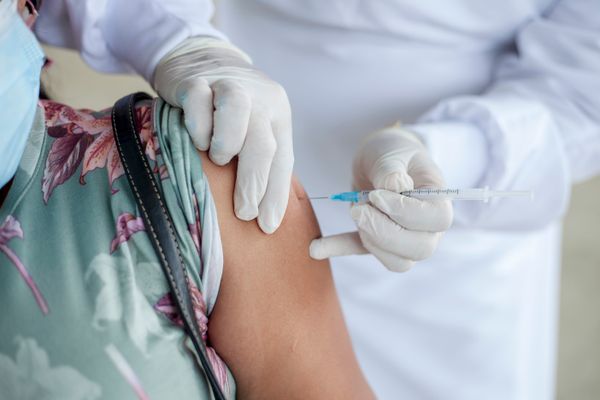
In the Philippines, as part of the Department of Health's regular vaccination programme, free vaccines are given to children who are 1 years old and younger. Ask your doctor whether you should verify your vaccination status or get yourself vaccinated if you are an adult or teenager.
10. When sneezing or coughing, cover your mouth
The air may spread illnesses including the flu, pneumonia, and TB. Infectious agents can spread to others by airborne droplets when a sick person coughs or sneezes. Make sure you have covered your mouth with a face mask or used a tissue before disposing of it gently when you start to cough or sneeze. When you cough or sneeze without a tissue nearby, try to cover as much of your mouth with the crook (or inside) of your elbow.

Comments
Post a Comment