The diet may be a viable and long-term approach to reduce weight even if it isn't meant to be a weight-loss regimen.
For many years, the Mediterranean diet has been at the top of lists of diets that experts advocate. This is due to the fact that following a Mediterranean diet is an eating style founded on decades of real-world study, not a fad predicated on instant results.

The Mediterranean diet is more of a way of life for many individuals than it is an eating regimen. This is due to the fact that this eating pattern consists largely of foods that are indigenous to countries bordering the Mediterranean Sea, such as Greece. Most of the meals in the Mediterranean diet are plant-based since these regions are lush and tropical, which are wonderful for agriculture.
The vegetables, fruits, whole grains, legumes, nuts, and seeds found in the Mediterranean diet are abundant. Pasta with a generous amount of extra virgin olive oil are staples of many Mediterranean dishes. The Mediterranean diet can be a practical and long-lasting weight loss strategy, even if that is not its intended use. This is why.
Why losing weight may be aided by the Mediterranean diet
The items that make up the Mediterranean diet are both healthy and helpful for losing weight. It's a diet focused on plants, so it's high in fibre, and studies show that getting enough fibre may help you lose weight and stay to your diet. Even when participants weren't told to cut back on their calorie intake, weight reduction and changes in waist circumference were associated with fibre consumption, according to an assessment of results from 62 research. The following are only a few of the particular grounds why the Mediterranean diet may promote weight loss:
You get full on whole grains and legumes.
Grain is a staple component in the Mediterranean diet, and for good reason—eating grains may encourage a healthier body weight. However, many weight-loss programmes prohibit grains. In a research with 50 individuals, who followed either a whole-grain or refined-grain diet for six weeks, participants cut back on calories and lost weight. This suggests that because whole-grain meals are satisfying, you may naturally want to eat less.
The Mediterranean diet's main source of protein, legumes, may also help with weight loss. According to a study that included information from 21 clinical studies, consuming 34 cup of these items resulted with a small (but statistically significant) weight reduction as compared to not eating them, even when calories weren't being restricted. Legumes are full, just like whole grains, so eating them frequently may cause you to eat less overall.
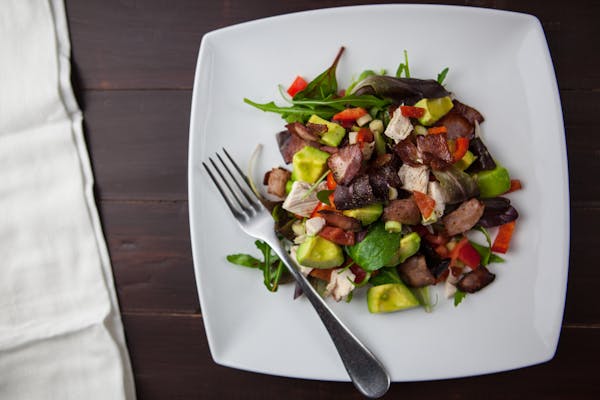
You'll buy a lot of produce.
Moreover, fruits and vegetables are abundant in the Mediterranean diet. They are indeed a part of every meal. Because they have few calories per mouthful, plant meals are low in calories and high in water and fibre. According to one study, eating more vegetables is consistently associated with lowering the risk of weight gain.
You can have pasta in moderation.
Even though pasta isn't typically thought of as a food for losing weight, it may be a tasty addition to a diet. However, pasta is consumed in reduced portions as part of a Mediterranean diet. In fact, it's frequently seen as a vehicle for other components of the Mediterranean diet, such as fish, extra virgin olive oil, and vegetables. This method of eating pasta might enhance your nutrients and make you feel fuller than simply eating a dish of pasta.
You'll cut back on processed foods and sugar
The Mediterranean diet excludes sugary beverages like soda. Water can help you consume less calories overall and aid in weight loss because sugary drinks.
Another way the Mediterranean diet could assist you in achieving a healthier weight is by favouring real foods over processed ones. Participants ate an additional 500 calories per day on the processed-food diet in a small randomised research that evaluated the two eating patterns, closely matching calories, protein, fat, carbohydrates, sugar, and fibre in both diets. Over the course of the two-week trial period, the higher calorie consumption led to an average weight gain of two pounds. However, while on the whole-foods diet for a different two-week period, those same individuals ate less and on average dropped a few pounds.
Comments
Post a Comment