As the world grapples with the Covid-19 pandemic, people are looking for ways to protect themselves from the virus. Washing your hands regularly and maintaining social distancing are important measures, but you may also want to consider wearing a face mask.
As the world continues to battle the outbreak of the deadly coronavirus, people are looking for ways to protect themselves from the disease. While there is no surefire way to prevent infection, there are some measures you can take to reduce your risk.

One of the best ways to protect yourself from coronavirus is to practice good hygiene. This means washing your hands often with soap and water for at least 20 seconds, avoiding close contact with people who are sick, and covering your mouth and nose when you sneeze or cough.
You should also clean and disinfect surfaces that are frequently touched, such as doorknobs, light switches, and countertops.
If you are sick, it is important to stay home and avoid contact with other people to prevent the spread of the disease. You should also wear a face mask when you are around others and avoid touching your face.
While there is no vaccine available yet for coronavirus, there are some steps you can take to help prevent its spread. By following these tips, you can reduce your risk of becoming infected with the disease.
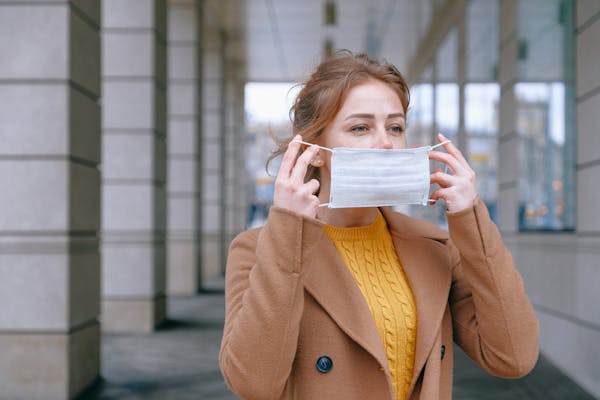
There is some evidence that face masks can help to prevent the spread of Covid-19. A study in the journal Nature Medicine found that surgical masks can block most of the large respiratory droplets that are released when an infected person coughs or sneezes.
While face masks are not a foolproof way to prevent Covid-19, they may offer some protection, especially when combined with other measures such as hand-washing and social distancing. If you decide to wear a face mask, it is important to use it correctly. Here are some tips:
* Wash your hands thoroughly before putting on a mask.
* Make sure the mask covers your nose and mouth and fits snugly against your face.
* Avoid touching the mask while wearing it. If you do need to adjust it, wash your hands before and after.
* Remove the mask carefully, avoiding touching your face. Wash your hands immediately afterwards.
* Wash the mask regularly.
Face masks are just one tool that can help to prevent the spread of Covid-19. Remember to also wash your hands regularly and maintain social distancing.
We are in the grip of a deadly pandemic – one that is sweeping the globe and killing tens of thousands of people. The coronavirus is spreading like wildfire, and there is no end in sight.
But there is hope.
There are things that each and every one of us can do to protect ourselves and our loved ones from this virus.
Here are some simple tips to help keep you safe from coronavirus:
1. Wash your hands regularly and thoroughly
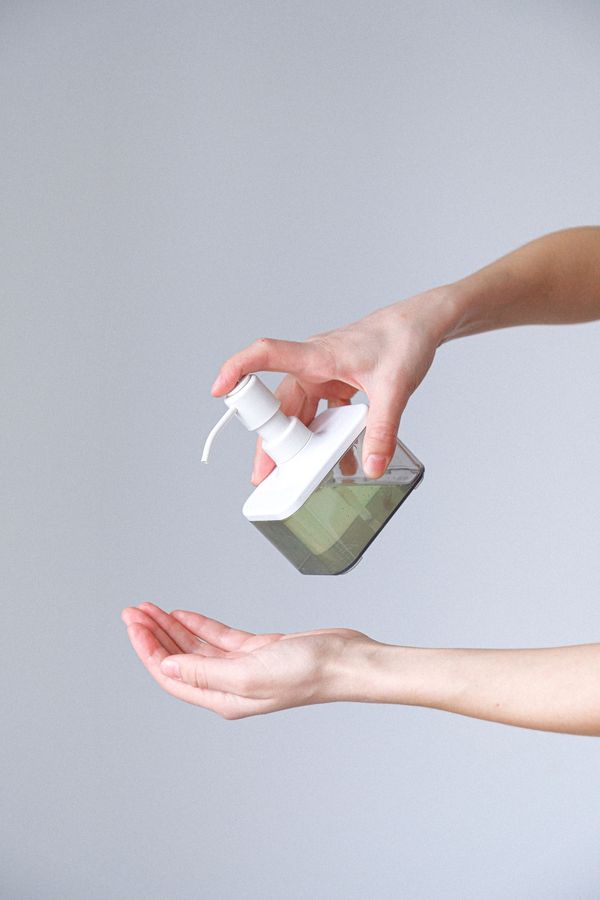
This is one of the most important things you can do to protect yourself from coronavirus. Wash your hands regularly with soap and water for at least 20 seconds, or use an alcohol-based hand sanitizer if soap and water are not available.
Do this after you have been in a public place, or after you have touched any surfaces that may be contaminated with the virus.
2. Avoid close contact with people who are sick
If you are sick, stay home and avoid contact with other people. If you must go out in public, wear a face mask to protect yourself and others. And if you are sick, cover your mouth and nose when you sneeze or cough, and wash your hands afterwards.
3. Avoid touching your face
Your hands can pick up the virus from contaminated surfaces and then transfer it to your eyes, nose, or mouth.
So it’s important to avoid touching your face.
If you must touch your face, wash your hands first.
4. Clean and disinfect surfaces that are frequently touched
The virus can live on surfaces for hours or even days.
So it’s important to clean and disinfect surfaces that are frequently touched, such as door handles, light switches, countertops, and handles on appliances.
5. Stay informed and follow the advice of health authorities
The situation with coronavirus is evolving rapidly, so it’s important to stay informed and follow the advice of health authorities.
The Centers for Disease Control and Prevention (CDC) website is a good resource for information on coronavirus.
By following these simple tips, you can help protect yourself and your loved ones from coronavirus.
1.What is coronavirus and how does it spread?
Coronaviruses are a type of virus. There are many different kinds, and some cause disease. A newly identified coronavirus, SARS-CoV-2, has caused a worldwide pandemic of respiratory illness, called COVID-19.
Coronaviruses are spread through the air, and they can also spread through contact with surfaces. Once somebody has the coronavirus, they can spread it to other people through coughing and sneezing.
The best way to prevent coronavirus is to wash your hands often, and to avoid close contact with people who are sick.
2. How can you protect yourself from coronavirus?
There are many ways that you can protect yourself from coronavirus. Some of the most important things that you can do are to wash your hands often, avoid close contact with people who are sick, and to avoid touching your face.
It is also important to clean and disinfect surfaces that are frequently touched, such as doorknobs, countertops, and light switches. You can also wear a face mask if you are around people who are sick or if you are in a crowded place.
If you are sick, it is important to stay home and avoid contact with other people. You should also cover your mouth and nose when you sneeze or cough. If you must go out, wear a face mask and try to keep six feet away from other people.
3.What are the symptoms of coronavirus?
Coronaviruses are a type of virus. There are many different kinds, and some cause disease. A newly identified coronavirus, SARS-CoV-2, has caused a worldwide pandemic of respiratory illness, called COVID-19.
The most common symptoms of COVID-19 are fever, tiredness, and dry cough. Some people may also have aches and pains, nasal congestion, runny nose, sore throat or diarrhea. These symptoms are usually mild and begin gradually. Some people become infected but don’t develop any symptoms and don't feel unwell.
Most people (about 80%) recover from the disease without needing special treatment. Around 1 out of every 6 people who gets COVID-19 becomes seriously ill and develops difficulty breathing. Older people, and those with underlying medical problems like cardiovascular disease, diabetes, chronic respiratory disease, and cancer are more likely to develop serious illness. People with fever, cough and difficulty breathing should seek medical attention.
Coronavirus is a type of virus that can lead to severe respiratory illness. It is a member of the family of viruses that includes the common cold and SARS (severe acute respiratory syndrome).
coronaviruses are typically spread through the air, and can cause severe respiratory illness, including pneumonia, bronchitis, and even death.
The most common symptoms of coronavirus infection are fever, coughing, and difficulty breathing. Early diagnosis and treatment of coronavirus infection is critical to preventing serious illness or death. There is no specific treatment for coronavirus infection, but there are ways to help relieve symptoms and make the illness more bearable. If you think you may have been exposed to coronavirus, it is important to see a doctor right away. Early diagnosis and treatment can make a big difference in the severity of your illness.
Comments
Post a Comment